
Gluten-free diets have become popular, but what exactly is gluten, and why do some people avoid it? Let’s break it down simply.
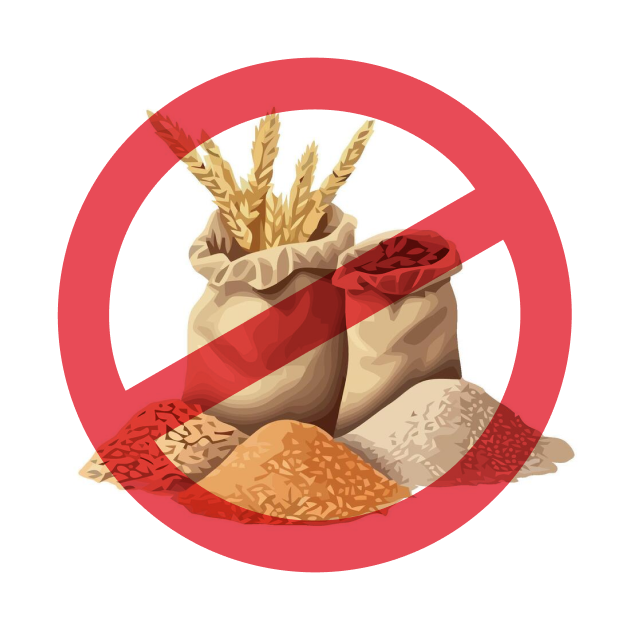
Gluten is a type of protein found in certain grains, including wheat, barley, and rye. It acts like a glue that gives dough its stretchy texture and helps baked goods rise. Foods like bread, pasta, cereals, and baked goods often contain gluten.
For most people, gluten is harmless. However, some individuals have difficulty digesting it, leading to health issues such as:
An autoimmune disorder where gluten damages the small intestine, leading to nutrient deficiencies, digestive problems, and long-term health risks.
(Mild to Moderate Reaction)
People without celiac disease may still experience bloating, headaches, fatigue, or digestive discomfort after eating gluten.
Some individuals have an allergic reaction to wheat proteins, including gluten, causing symptoms like hives, difficulty breathing, or stomach pain.
Switching to a gluten-free diet can have several benefits, especially for those sensitive to gluten:

Reduces bloating, gas, and stomach discomfort.
Helps fight fatigue, especially for those with gluten intolerance.


Some people notice fewer skin issues like acne or eczema.
Can help ease joint pain and body inflammation.

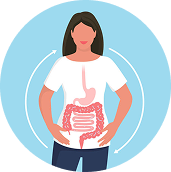
Encourages a healthier digestive system.
Many delicious and nutritious foods are gluten-free! These include
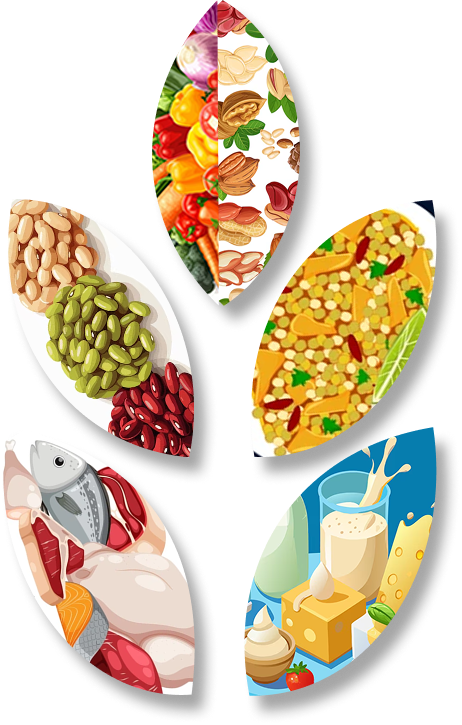
Fruits & Vegetables
Legumes & Beans
Meat, Fish & Poultry
(without added sauces)
Nuts & Seeds
Sabudana ,Rice, Quinoa & Millet
Dairy Products
(like milk, cheese, and yogurt)